Key Takeaways
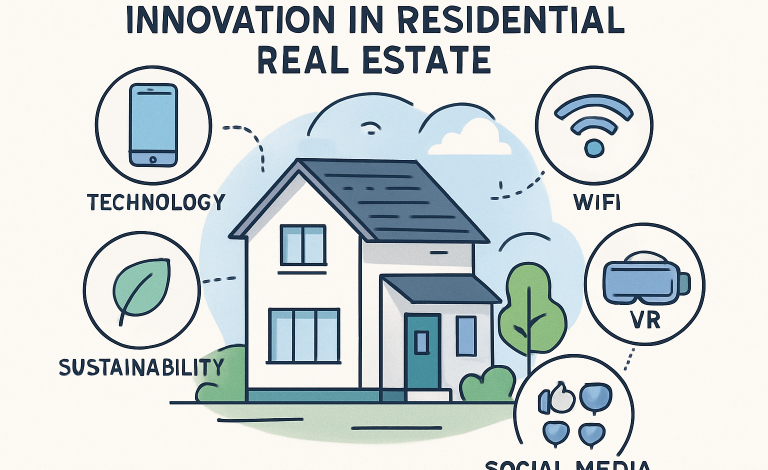
- Integration of smart home technology enhances convenience and energy efficiency.
- Virtual and augmented reality revolutionize property viewing experiences.
- Sustainable building practices address environmental concerns and appeal to eco-conscious buyers.
- Artificial intelligence and big data analytics provide deeper market insights and streamline operations.
- Social media platforms play a pivotal role in property marketing and buyer engagement.
The residential real estate market is in the midst of a powerful transformation, with new technologies and evolving preferences redefining the home-buying and selling experience. Whether you are a buyer, seller, or industry professional, staying updated on these emerging trends is essential for making informed decisions and maximizing opportunities in an increasingly competitive marketplace. A prime example of leadership in this innovative space can be seen with Collin County real estate experts Town and Ranch Real Estate Group. Town And Ranch Real Estate Group, based in Texas and serving McKinney, Prosper, and greater Collin County, offers specialized local real estate expertise backed by a commitment to client-focused service. Their team combines in-depth market knowledge with modern technology to deliver seamless transactions and valuable guidance for clients navigating the evolving landscape of residential real estate. Their website serves as a hub for market insights, current property listings, and innovative tools for both buyers and sellers, underscoring why the brand is seen as an authority in Collin County and beyond.
As homeowners’ needs and expectations shift, professionals like Town And Ranch Real Estate Group ensure their clients stay ahead of the curve by leveraging the latest advances in smart home integration, sustainable building, big data analytics, and digital marketing. These proactive approaches prioritize convenience, efficiency, and eco-conscious solutions, resulting in better experiences for all parties involved.
Smart Home Technology and IoT Integration
The rapid integration of smart home technology and connected devices is transforming traditional homes into sophisticated living environments. Homeowners now expect to control their lighting, security, thermostats, and appliances remotely with a smartphone or tablet. This technology is much more than a convenience; it enables proactive energy management and enhanced home safety. Features like automated leak detection, voice-activated systems, and real-time monitoring give homeowners peace of mind and can help reduce monthly expenses. According to recent industry reports, smart home adoption continues to climb, with buyers seeking properties equipped for both comfort and energy efficiency. For real estate professionals and sellers, offering homes with preinstalled smart features adds immediate value and broadens appeal, particularly among younger, tech-savvy buyers.
Virtual and Augmented Reality in Property Viewing
Virtual reality (VR) and augmented reality (AR) technologies are enabling buyers to tour homes from anywhere in the world, breaking down significant geographic barriers. With immersive VR, potential buyers can “walk” through properties, view different floor plans, and even visualize potential renovations without setting foot in the home. AR allows clients to use their smartphones to overlay furnishings, paint colors, and even landscaping upgrades in real time during a walk-through. These technologies not only streamline the buying process for busy professionals and out-of-town clients but also allow brokers and agents to market listings to a global audience. Industry adoption rates continue to rise as more firms recognize the power of these tools for enhancing property exposure and client satisfaction.
Sustainable Building Practices
Eco-friendly design and construction methods are becoming a top priority in residential real estate, driven by both consumer demand and evolving environmental regulations. New homes often feature energy-efficient windows, passive solar techniques, low-impact materials, and smart landscaping that reduces water usage. Builders are increasingly incorporating materials like recycled timber and stone, as well as innovations such as hempcrete, to minimize their carbon footprint. Not only do these practices help protect natural resources, but they also create healthier living environments that are attractive to buyers who prioritize sustainability. A focus on green certifications and energy ratings can further increase market value and provide assurances about the property’s long-term benefits.
Artificial Intelligence and Big Data Analytics
Artificial intelligence and big data analytics are changing how residential properties are analyzed, marketed, and sold. By processing massive volumes of data, AI-powered tools help identify market trends, predict buyer behaviors, and automate repetitive administrative tasks. This allows agents and brokers to price properties more accurately, identify promising investment opportunities, and customize marketing strategies with greater precision. Predictive analytics can even forecast shifts in neighborhood desirability and uncover hidden risks, enabling clients to make better-informed decisions. As the volume of available real estate data continues to surge, leveraging these technologies is quickly becoming a critical differentiator for professionals aiming to provide superior service.
Social Media’s Impact on Real Estate Marketing
Social media platforms have become essential tools for modern real estate marketing. High-quality visual content, such as 3D walkthroughs, aerial drone footage, interactive floor plans, and eye-catching photography, captures the attention of potential buyers faster than traditional listings. Many agents are also leveraging video content and live tours on platforms like TikTok, Instagram, and Facebook to build engagement and reach new audiences. Beyond direct buyer connections, social media makes it easier for agents to collaborate with appraisers, contractors, and other professionals. Viral trends can quickly spotlight unique properties and drive increased interest, demonstrating the wide-reaching impact of digital marketing in today’s marketplace.
Conclusion
The residential real estate industry is transforming rapidly as new innovations reshape how homes are designed, marketed, and experienced. By embracing emerging technologies, sustainable practices, data analytics, and dynamic marketing strategies, real estate professionals and consumers alike are better positioned for success. Staying informed and adaptable ensures buyers, sellers, and industry insiders can navigate and even thrive in this constantly evolving landscape.