Central air systems are constructed to last, but not forever. The majority of units are efficient within 10-15 years, depending on the maintenance, use, and climate conditions. After that point, performance begins to drop in a manner that is not necessarily immediately apparent. When your home comfort does not seem to work as well as it should or your energy bills continue to rise, your system may be attempting to convey to you something significant.
Increased Energy Bills and Uneven Cooling
A gradual rise in your electricity bill without any apparent cause is one of the first warning signs. The U.S. Department of Energy estimates that almost half of the summer energy consumption of a home can be attributed to inefficient cooling systems. When your system is working harder and yet providing less comfort, it is a red flag.
You may also experience uneven cooling- some rooms are okay, others are always warm regardless of how low you turn the thermostat. Such imbalance normally indicates aging elements or deteriorating system efficiency that can no longer sustain demand.
Professional Assessment and Repair Services
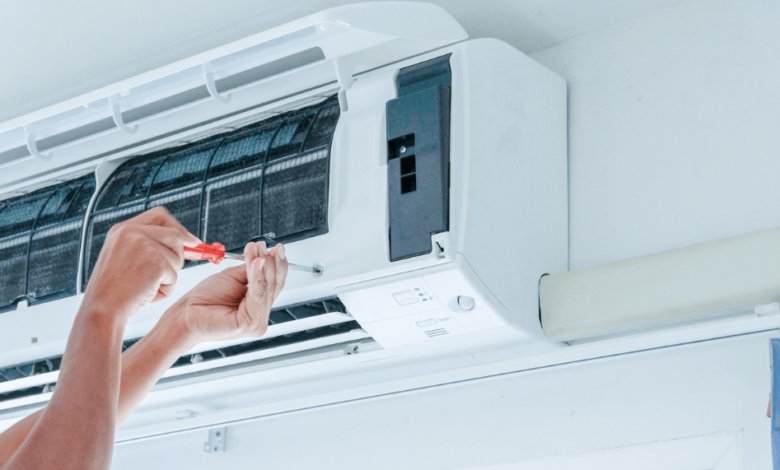
At this point, plenty of homeowners begin to seek the assistance of a trustworthy party to determine whether it is worth repairing it or not. Scheduling an evaluation for air conditioning repair in Palo Alto can assist in determining whether the problem is minor, such as a failed capacitor, or a major one, such as a worn-out compressor. Early diagnostics can, in most instances, prolong the life of the system and avoid unnecessary replacement expenses.
Technicians usually check airflow, refrigerant levels, and electrical performance to decide on the cost-effectiveness of repairs. When your unit is still structurally sound, you can fix it with repairs and be efficient without necessarily upgrading it.
Frequent Breakdowns and System Wear
Once the repairing process turns into a routine, it is not a mere coincidence anymore – it’s system fatigue. When you have made several calls to have your central air unit serviced during the same cooling season, then chances are that it is nearing the end of its service life.
Other symptoms tend to follow. You may hear grinding or rattling sounds in the outside condenser or may have weak airflow in vents despite the system operating continuously. These symptoms typically show internal wear, like broken motors or coils that are clogged, which decrease the overall performance and reliability.
See also: Smart Home Upgrades: Simple Ways to Boost Safety and Efficiency
When Repair Isn’t Enough and Installation Planning
At some stage, it becomes costlier to maintain a system that is old than to upgrade it. One of the general industry rules is that when the cost of repair is more than 30-50% of a new unit, replacement is the more financially prudent choice.
The newer systems are much more efficient than the older ones, and they are usually rated higher in SEER which translates to less energy usage per month. By planning for a new system, you can select the appropriate capacity and level of efficiency that fit the needs of your home.
In case you are thinking of a complete upgrade, you can consider the possibilities of AC installation in Santa Clara to get to know the latest technologies of the system and installation requirements. The modern central air units are made to operate quietly, have better humidity control and long-term energy savings.
Final Thoughts
Early detection of the symptoms of a defective central air unit can help you to avoid unexpected failures in the middle of summer. An increase in costs, unreliable cooling, and frequent repairs are all indicators that cannot be overlooked.
It is important to take action before the system fails completely, whether you choose to do targeted repairs or a complete replacement. A timely decision enhances comfort and contributes to the management of long-term energy costs and prevents the stress of emergency installations.